
"coffee tree replacement"
2000 article(s) found

Arabica coffee cultivation techniques Multi-stem shaping and cultivation of coffee trees
Multi-stem integer Multi-stem integer is an integer method that uses the first branch as the main result branch. The purpose of integer is to cultivate multiple trunks and grow a large number of robust first-order branches. Multi-trunk trees do not pick the top. As a result, when the yield decreases after 3 to 5 years, new trunks are replaced.① Cultivation of multi-stem method oblique planting method: When planting, the seedlings are obliquely planted, generally at an angle of 30~60 degrees with the ground. oblique planting can inhibit

Cultivation techniques of small-grain coffee: multi-dry shaping and cultivation
Multi-dry shaping is a method that uses the first-order branch as the main fruiting branch. The purpose of plastic surgery is to cultivate multiple trunks and grow a large number of robust primary branches, and the multi-trunk trees will not be topped. As a result, when the yield decreases after 3-5 years, the new trunk will be replaced. ① culture multi-stem method oblique planting method: when planting, the seedlings are oblique, generally at an angle of 30-60 degrees with the ground. Oblique planting can be suppressed
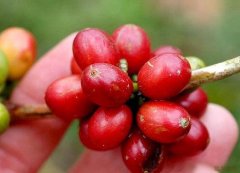
The method of cultivating coffee trees how to grow coffee trees at home?
"Coffee Coffee for you"-oblique planting method: when planting, the seedlings are oblique, usually at an angle of 30 degrees to 60 degrees from the ground (preferably 45 degrees). Oblique planting can inhibit the growth of the top of the trunk and promote the germination of basal straight branches. Attention should be paid to the selection of 3 or 4 sturdy and spaced direct branches for new stem culture. Cut off the old stem after the new stem grows (figure 2)-curved dry method: straight when planting, waiting for

What's the difference between Arabica coffee varieties and hybrid coffee? will hybrids replace traditional varieties?
Coffee lovers may have heard that most varieties of coffee belong to Arabica, but most varieties of Arabica are nothing more than Tibica, bourbon and related derivatives. Arabica is the most commonly used variety, and the coffee tree is also less resistant to diseases and insect pests. Traditional Arabica varieties, if not lucky, mutate in a natural state.

There is a long way to go to renew coffee seedlings in Peru.
The National Coffee Council of Peru announced that as many as 15000 hectares of coffee plantations in the central, northern and eastern parts of the secret rainforest have been replaced with new coffee trees, the Peruvian Andean News Agency reported recently.

Peruvian Coffee Business Analysis of Peruvian Coffee Brands
Professional coffee knowledge exchange more information about coffee beans please follow the coffee workshop (Wechat official account cafe_style) in 2019. In the 20 coffee year, the coffee harvest area in Peru is estimated to be 390000 hectares, a slight increase over the previous year. As part of the Ministry of Agriculture's coffee rust recovery plan, producers will continue to replace coffee trees and fertilizers to replant and cultivate new areas. Peruvian coffee
The establishment of a coffee garden
1. The environmental conditions of land selection, planning and reclamation are closely related to the growth and development of coffee, which should be determined according to the growth habits and environmental requirements of coffee. Try to avoid choosing lowlands where cold air is easy to accumulate and condense frost; coffee roots are good, so choose well-drained and loose soil; coffee needs a calm wind environment, so in areas where there is no primary forest, consideration should be given to planning windbreaks.

Packaging of Starbucks Antigua coffee beans in Guatemala to replace the flavor characteristics of Guatemalan coffee beans
Starbucks Antigua coffee bean packaging replaces the best coffee produced in Guatemala in Antigua, which still follows the traditional way of life and sits between three volcanoes. Coffee farmers from Antigua have a rich knowledge of gardening and are keen to produce great coffee. Antigua has always produced some of the best coffee in Central America. ■ although Guatemala Antioch

Coffee like shit replaces Kopi Luwak as the world's most expensive coffee bean. It's pure hype. Don't be superstitious.
The hype of human metamorphosis is always endless, and it is inevitable in the coffee industry. Elephant shit coffee beans have become the most expensive coffee beans in the world. According to Taiwanese media reports, Thai black ivory coffee with a price of up to 6747 yuan per kilogram officially beat Indonesia's civet coffee to become the world's most expensive coffee beans. like shit coffee and Kopi Luwak these two coffee beans have something in common.

Fragrant Indonesian Coffee Manor Lasuna Wahana Manor Variety planting Market Price
In the mid-17th century, coffee trees were introduced to Indonesia by the Dutch (some official sources believe that earlier). The first batch of coffee from Java was sold to Amsterdam in 1712. However, coffee trees in all plantations were destroyed by coffee rust in 1877, and Robart coffee trees had to be introduced from Africa to replace the original species. Today, only 6% or 10% of coffee beans are.

Introduction to the Origin of Indonesian Coffee
In the mid-17th century, coffee trees were introduced to Indonesia by the Dutch (some official sources believe that earlier). The first batch of coffee from Java was sold to Amsterdam in 1712. However, coffee trees in all plantations were destroyed by coffee rust in 1877, and Robart coffee trees had to be introduced from Africa to replace the original species. Today, only 6% or 10% of coffee beans are.
Boutique coffee recommends Indonesian coffee
In the mid-17th century, coffee trees were introduced to Indonesia by the Dutch (some official sources believe that earlier). The first batch of coffee from Java was sold to Amsterdam in 1712. However, coffee trees in all plantations were destroyed by coffee rust in 1877, and Robart coffee trees had to be introduced from Africa to replace the original species. Today, only 6% of the coffee beans and 10% of the coffee beans are Arab.

Costa Rican Tara bead flavor | Tarazu Coffee | Raminita Manor
Professional coffee knowledge exchange more coffee bean information please follow the coffee workshop (Wechat official account cafe_style) country: Costa Rica production area: Costa Rica Tarazu Manor: Raminita varieties: caturra, old hibrido treatment: washing fermentation, the latter stage of the sun and then low temperature drying grade: SHB appearance / shortcomings: green dry incense: similar to elegant fragrance

Twelve famous high-quality coffee producing areas in Indonesia
In the mid-17th century, coffee trees were introduced to Indonesia by the Dutch (some official sources believe that earlier). The first batch of coffee from Java was sold to Amsterdam in 1712. However, coffee trees in all plantations were destroyed by coffee rust in 1877, and Robart coffee trees had to be introduced from Africa to replace the original species. Today, only 6% of the coffee beans and 10% of the coffee beans are Arab.
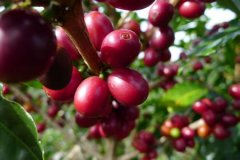
Indonesian Coffee Indonesian Coffee Features and Markets
Coffee trees were introduced to Indonesia by the Dutch in the mid-17th century (some official sources say earlier). 1712 The first coffee from Java arrives in Amsterdam. However, in 1877 coffee trees on all plantations were destroyed by coffee rust, and robert coffee trees had to be imported from Africa to replace the original species. Today only 6 -10% of coffee beans are Arab.

The coffee producing area of Indonesia.
In the mid-17th century, coffee trees were introduced to Indonesia by the Dutch (some official sources believe that earlier). The first batch of coffee from Java was sold to Amsterdam in 1712. However, coffee trees in all plantations were destroyed by coffee rust in 1877, and Robart coffee trees had to be introduced from Africa to replace the original species. Today, only 6% of the coffee beans and 10% of the coffee beans are Arab.

Global coffee producing area Indonesian coffee market
In the mid-17th century, coffee trees were introduced to Indonesia by the Dutch (some official sources believe that earlier). The first batch of coffee from Java was sold to Amsterdam in 1712. However, coffee trees in all plantations were destroyed by coffee rust in 1877, and Robart coffee trees had to be introduced from Africa to replace the original species. Today, only 6% of the coffee beans and 10% of the coffee beans are Arab.
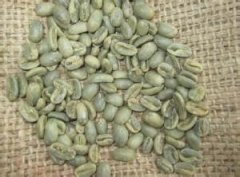
Basic knowledge of boutique coffee beans Coffee in Indonesia
In the mid-17th century, coffee trees were introduced to Indonesia by the Dutch (some official sources believe that earlier). The first batch of coffee from Java was sold to Amsterdam in 1712. However, coffee trees in all plantations were destroyed by coffee rust in 1877, and Robart coffee trees had to be introduced from Africa to replace the original species. Today, only 6% of the coffee beans and 10% of the coffee beans are Arab.

The characteristics and Market of Indonesian Coffee Indonesian boutique coffee Indonesian coffee taste
In the mid-17th century, coffee trees were introduced to Indonesia by the Dutch (some official sources believe that earlier). The first batch of coffee from Java was sold to Amsterdam in 1712. However, coffee trees in all plantations were destroyed by coffee rust in 1877, and Robart coffee trees had to be introduced from Africa to replace the original species. Today, only 6% of the coffee beans and 10% of the coffee beans are Arab.

Vietnam is one of the top coffee producing countries in the world.
Vietnam (Vietnam) well-known representative coffee: Vietnam Coffee Vietnam is also one of the top coffee producers in the world. At present, the vast majority of coffee trees in Vietnam are Robusta, because the Arabica coffee trees in Vietnam were destroyed by leaf rust in the mid-19th century and replaced with Robusta coffee trees that are resistant to leaf rust.